
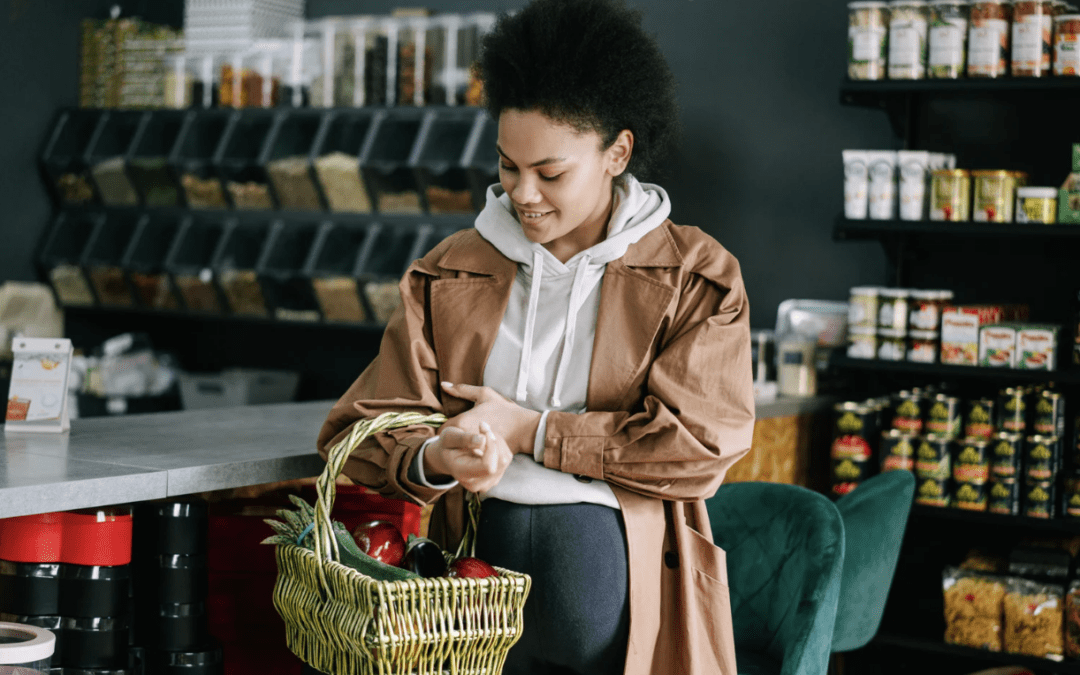
Retail media has been one of the fastest-growing advertising channels in recent years. In 2026, it moves beyond the screen and into every moment of the shopper journey. With in-store experiences becoming a strategic priority, artificial intelligence reshaping execution and measurement, and shoppers acting with greater autonomy, brands and retailers must rethink how they plan, activate, and optimize retail media.
Here is what the retail media landscape will look like in 2026 and how to stay ahead.
In-Store Retail Media Becomes a Core Growth Driver
In 2026, in-store retail media is no longer secondary to digital placements. It is a cornerstone of full-funnel strategy.
Retailers are rapidly expanding physical media touchpoints, including:
- Digital screens in aisles, endcaps, and checkout lanes
- Smart shelves and dynamic pricing displays
- QR-based promotions tied to loyalty and mobile apps
- Proximity and location-based messaging that connects mobile and physical behavior
Shoppers still make the majority of purchases in-store. Digital media influences decisions, but in-store media converts intent into action. Brands that fail to invest here risk losing visibility at the moment of truth.
Measurement is also evolving. Retailers are closing the loop between physical exposure and purchase, enabling clearer attribution for in-store impressions.
AI Moves From Automation to Strategic Advantage
Artificial intelligence in retail media is no longer about saving time. In 2026, it becomes central to planning, personalization, and performance optimization.
AI in Planning and Forecasting
Retail media platforms increasingly use AI to simulate outcomes before campaigns launch. This includes predictive bidding, demand forecasting tied to inventory signals, and automated budget reallocation based on real-time performance.
AI in Creative and Personalization
Creative assets are becoming more dynamic and more relevant. AI enables personalization based on browsing behavior, purchase history, and retailer-owned audience segments. The focus is relevance without overreach, powered by privacy-safe signals.
AI in Measurement and Optimization
AI-driven measurement identifies which signals truly influence conversion. Attribution is no longer purely retrospective. It is predictive, allowing teams to adjust before performance declines.
The result is smarter decision-making and fewer manual processes.
The Rise of the Agentic Shopper
The shopper of 2026 is agentic. They are informed, intentional, and in control of how and when they engage with brands.
Agentic shoppers:
- Use multiple channels simultaneously
- Research extensively before making purchase decisions
- Expect relevance at every touchpoint
- Value personalization that respects privacy
Retail media must evolve from broad targeting to intent-informed engagement.
Examples include delivering in-store offers based on pre-visit research, triggering replenishment ads through loyalty behavior, and providing rewards directly within retailer ecosystems. The goal is to assist the shopper, not interrupt them.
Brands that help shoppers make better decisions earn trust and long-term loyalty.
Shopper Data Becomes More Valuable and More Regulated
First-party data is essential, but how it is used matters more than ever.
In 2026:
- Retailers prioritize ethical data partnerships
- Identity resolution relies on hashed and privacy-safe signals
- Contextual and behavioral insights complement identity-based targeting
Retail media networks expand data products to include predictive scores, purchase timing indicators, and cross-channel attribution models. Transparency and consent are no longer compliance requirements. They are competitive advantages.
Omnichannel Experiences Become Seamless and Tangible
Shoppers do not think in channels. Retail media in 2026 reflects that reality.
Connected carts, mobile-triggered in-store offers, and unified promotions across digital and physical environments become standard. Retailers centralize offer logic while executing contextually across touchpoints.
The result is higher conversion, reduced promotional waste, and more consistent shopper experiences.
Measurement and ROI Become Faster and Smarter
Retail media measurement shifts away from last-touch models toward unified and predictive frameworks.
Brands gain access to:
- Cross-channel attribution that includes in-store exposure
- Real-time performance dashboards
- AI-driven recommendations for optimization
Measurement evolves from reporting what happened to guiding what to do next.
Winning Brands in 2026 Think Strategically
Success in retail media is no longer about isolated tactics. It is about maturity and integration.
Winning brands will:
- Align retail media with sales and category strategy
- Invest across digital and in-store touchpoints
- Use AI for insight, not just efficiency
- Respect shopper autonomy and privacy
- Treat retail media as a growth engine, not a line item
Final Thoughts
Retail media in 2026 is defined by connection. Connection between digital and physical, between data and decision-making, and between brands and empowered shoppers.
Brands and retailers that embrace in-store investment, leverage AI intelligently, and design experiences for agentic shoppers will drive stronger performance, deeper loyalty, and sustainable growth.